
Filing a self-assessment tax return isn’t just for the self-employed. Many people in the UK need to complete one but may not realise it. If you miss the deadline, you could face penalties – so it’s important to know whether you need to register.
Here’s how to determine whether you need to file a self-assessment tax return, plus what to do if you’re unsure.
Who needs to file a self-assessment tax return?
You must complete a self-assessment tax return if you fall into one of these categories:
- Self-employed individuals – If you earned more than £1,000 from self-employment in the tax year.
- Company owners – If you receive untaxed income through dividends and not solely PAYE.
- Landlords – If you earn rental income, even if it’s just from one property.
- High earners – If your total income exceeds £150,000, or if you earn over £60,000 and claim child benefit (due to the high-income child benefit charge).
- Investors and savers – If you earn untaxed income from dividends, savings, or overseas assets.
- Freelancers, side hustlers, and gig economy workers – If you earn additional income outside of a PAYE job.
- Partners in a business – If you are part of a partnership and need to report your share of profits.
- Those with foreign income – If you earn money from outside the UK that hasn’t been taxed.
Be aware: Even if your employer deducts tax through PAYE, you may still need to file if you have untaxed income.
Who doesn’t need to file a self-assessment tax return?
You don’t need to file if:
- Your only income is from a full-time job with tax deducted through PAYE.
- You have no untaxed income (e.g., rental income, dividends, or investments).
- You earn under £1,000 from self-employment or side income (covered by the trading allowance).
- You’re retired and only receive income through state or private pensions.
💡 Tip: If you’re unsure whether you need to file, speak to an accountant – or give us a call on 01296 681341 and we can check for you.
When do you need to register for self-assessment?
If you need to file a self-assessment for the first time, you must register with HMRC by 5th October following the end of the tax year in which you earned the income.
📌 Example: If you started earning self-employed income in April 2023, you must register by 5th October 2024 and submit your tax return by 31st January 2025.
What happens if you don’t file a tax return when required?
If you fail to file your self-assessment tax return on time, you could face:
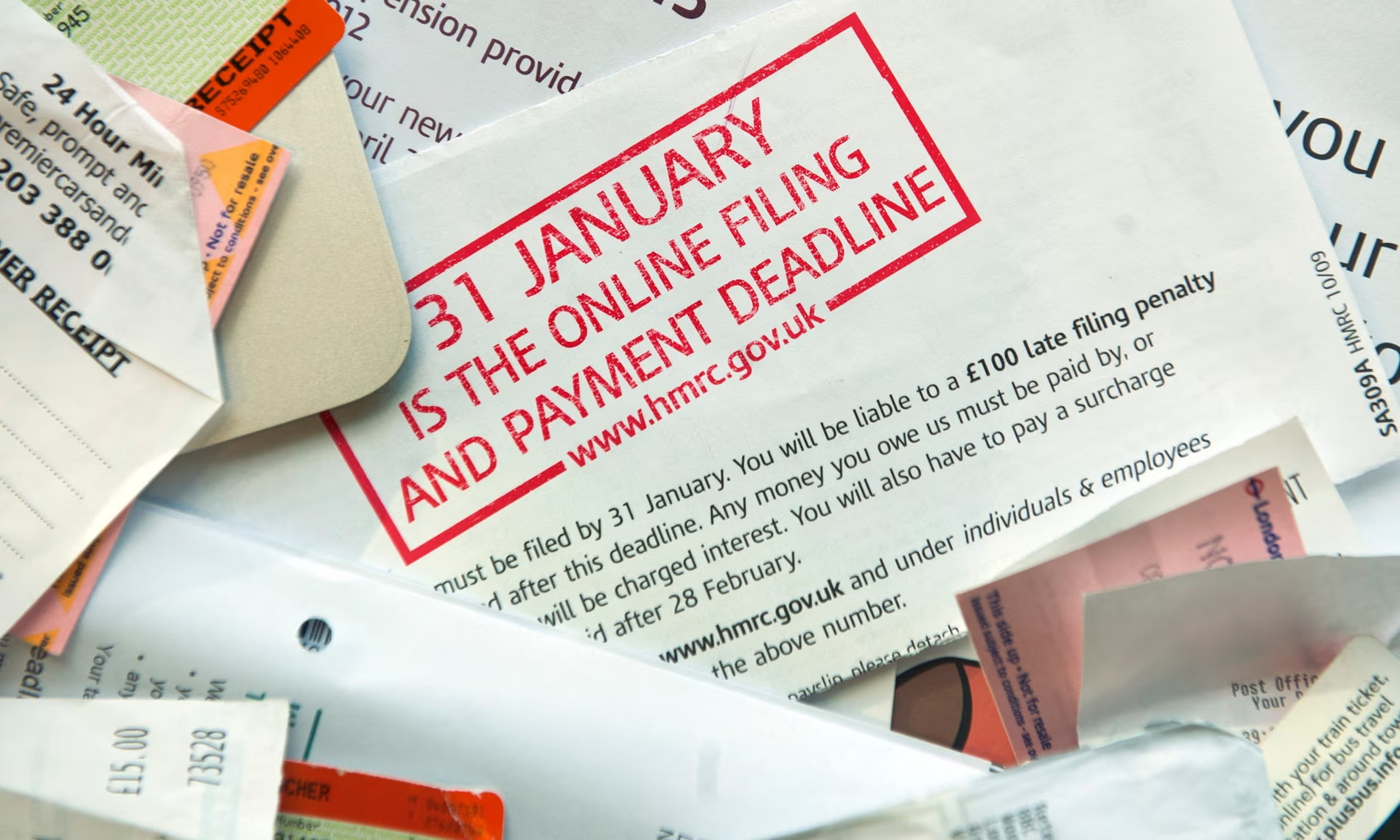
- A £100 fine immediately after the deadline.
- Additional daily penalties of £10 per day (up to £900) if it’s more than 3 months late.
- A fine of 5% of your tax bill (or £300, whichever is greater) if it’s over 6 months late.
- Possible interest on unpaid tax.
If you think you’ve missed a deadline, contact an accountant immediately to seek their advice and potential support to minimise penalties.
Should I use an Accountant for my Tax Return?
Filing a self-assessment tax return can be confusing—especially if you’re unsure what you can and can’t claim. A professional accountant can:
- Ensure you only pay what you owe (and no more).
- Identify tax reliefs and allowances that could reduce your bill.
- Prevent late filing penalties by keeping you on track.
- Save you hours of stress by handling the process for you.
Not sure if you need to file a self-assessment tax return?
Our expert accountants at BAS Associates can assess your situation and handle everything for you. Contact us today!


0 Comments